“We had reached Austria. I got my first sight of the Alps through the barbed wire. I was awestruck by their magnificence and troubled by a contradiction. I associated myself with the countryside I had grown up with. It had made me the man I was. I wondered how such frightful things could be happening in such natural splendour”. -Dennis Avey (p.100)
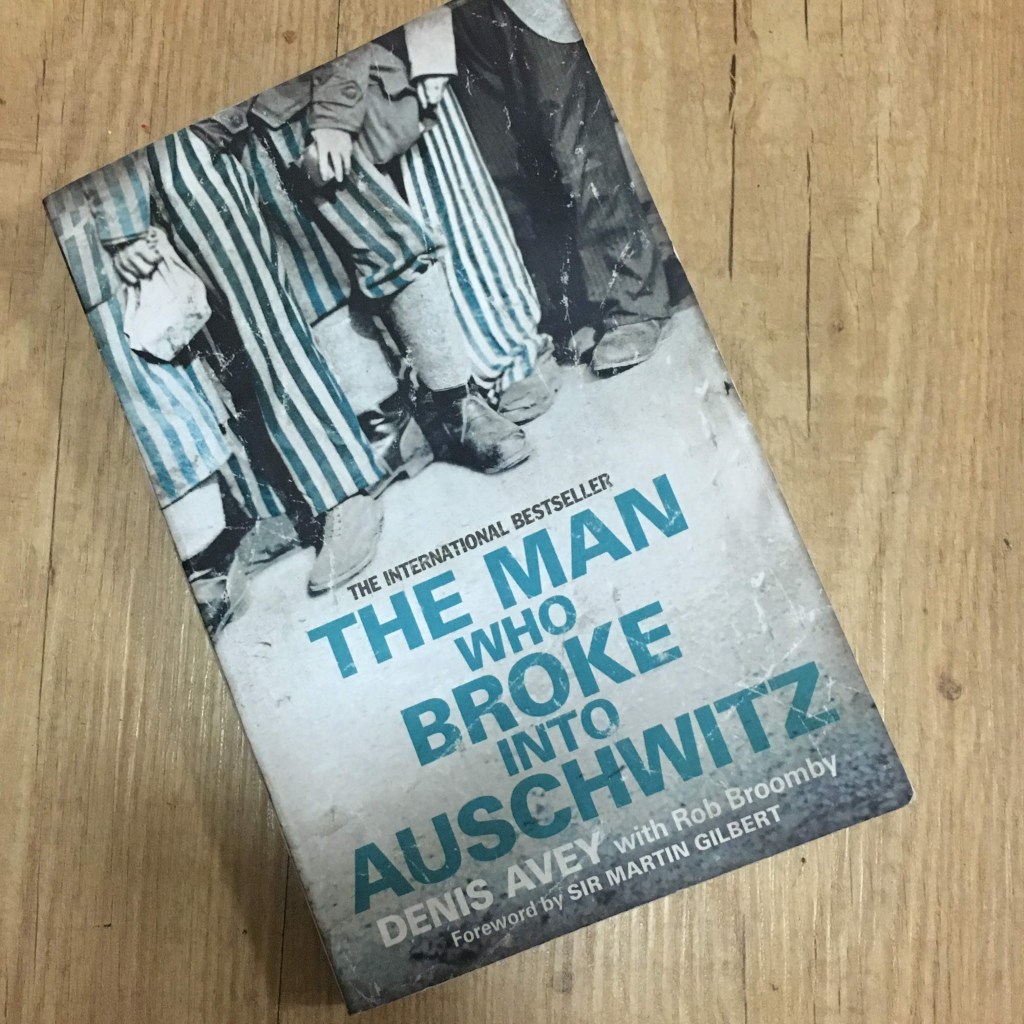
The Man Who Broke Into Auschwitz is an essential read for anyone coming of age 80 years after the start of World War II. It illustrates both the best and worst of humanity in such a captivating way. As a reader, you are thrust into the horrendous violence of World War II; while you are also drawn by the relatable prose of British soldier (and later prisoner of war) Dennis Avey. Reading the book, you can almost feel his emotion, sympathy, and humanity as he navigates the war. Avey was 20 years old when war broke out and it is unimaginable that someone so young witnessed such cruelty and violence during what is now considered such an important developmental stage in one’s life. As a 21 year old currently spending my summer in Britain, I have never felt closer to a man who lived such a different life experiencing youth eighty years before me. At the time he was witnessing the deaths of fellow soldiers, prisoners, and most importantly: human beings; I am touring the continent that allowed such violence to occur. The people mentioned in this book could very well be my friends fresh out of high school and thrown into the world in which humanity was forgotten. This book illustrates how dramatically war alters the timeline of a young person’s life. Reading Avey’s recollections, I felt transported into the mind of someone so remarkably courageous; it seems impossible to be able to relate and understand his actions and yet the book also provides such a clear image of the psychological strength that comes with such courage. Avey’s story is provided in the context of mental health and the way everything he describes impacted him later in life. It makes the story even more human as you feel every heartbreak through the lens of an old man reflecting on his mental health.
“The doctor wasn’t much help either and he sent me packing with some pills. I don’t know what they were. Long before anyone spoke of post-traumatic stress disorder I was living in its grip. I felt alone with it. I had no idea that countless others were suffering too. I had never allowed myself to be a victim, so being a victim of my own mind was something indeed” – Dennis Avey (p.200)
Avey calls for increased interest and understanding of mental health for future veterans since he was forced to overcome many of his own demons without the help of any established agency. It is a call to end stigma and a way of normalising feelings of asking for help as he notes that so many other survivors were faced with the same thing although they never talked about it. It is a true hero that can both act unselfishly during such a dangerous time but also witness such brutality and cope with such volatile emotions so late in one’s life. The tragedy that took place in concentration camps during this time can never be forgotten. Hatred has no place in any society and yet it continues to exist as people continue to ignore the lessons that should have been taken from the horrors endured by those mentioned in this book.
“For even to succeed all that was needed was for the righteous to do nothing” – Ernie Lobet
As readers of history, it is vital to continue the cycle of bearing witness to the injustices of the past and to remember them so they never happen again.
 Diaries of a Dancing Queen